

The Benefits of Mulch
More Posts
Sustainably Sourced Seasoned Firewood For Sale
Why You Keep Seeing Deer in Your Yard & How to Repel Them
5 Easy Tips for Maintaining Your Yard This Fall
How to Know When it’s Time to Take a Tree Down
Top 10 Invasive Plant Species Found in Bucks County
How to Identify a Sick Tree in Your Yard
Beech Leaf Disease
The Transformative Benefits of Landscape Maintenance
Tree Cabling & Bracing
The Benefits of Mulch
The Benefits of Hiring a Professional Snow Removal Service
Your Guide to Lush, Healthy Lawns Year-Round
Tick Identification
What is Mulch?
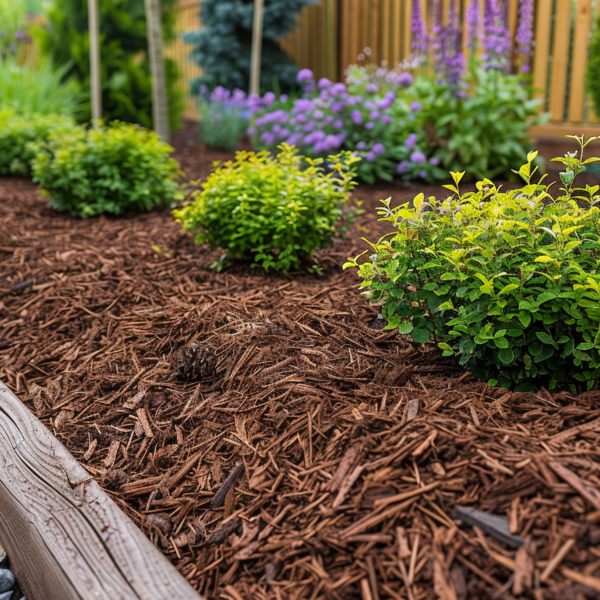
Mulch is an important aspect of plant healthcare, as it is a layer of organic or inorganic material that is spread on top of the soil to protect it from the elements and help retain moisture. Mulch can be made from a variety of materials, including mowed leaves, grass clippings, plastic, stone, bark, straw, compost, and even newspaper!
There are many benefits to using mulch in your garden, including:
- Mulch helps to suppress weeds by blocking out light and preventing weed seeds from germinating.
- Mulch helps to retain moisture in the soil, which is beneficial during periods of drought or extended dry weather.
- Mulch can help to insulate the soil and protect plant roots from extreme temperatures.
Different Types of Mulch
Mulch is any material that is spread or laid over the surface of soil to protect it from the elements. There are many different types of mulch available, each with its own benefits and drawbacks. Organic mulches, such as bark or straw, help to improve soil fertility as they break down. Inorganic mulches, such as plastic or landscape fabric, last longer but can damage plants if they are not removed before winter. Stone mulches, such as gravel or pebbles, are attractive and low-maintenance but can be difficult to remove if you want to change your garden design. Ultimately, the type of mulch you choose will depends on your specific needs and preferences.
Organic
There are many types of organic mulch, each with its own advantages and best uses. One type of organic mulch is compost, which is made from decomposed organic matter. Compost is a great source of nutrients for plants and can help to improve drainage and aeration in the soil. It also helps to reduce weeds and moderating soil temperatures. Another type of organic mulch is wood chips, which are made from processed tree bark. Wood chips are great for preventing weed growth and providing a natural source of nutrients for plants. They can also help to regulate soil temperature and moisture levels. Finally, straw is another type of organic mulch that is often used in gardening. Straw helps to protect plant roots from extreme temperatures, provides a barrier against weeds, and can improve drainage in the soil. it can also be used as a source of food for some types of animals. As you can see, there are many types of organic mulch, each with its own best uses. By choosing the right type of mulch for your garden, you can create a healthy environment for your plants to thrive.
Inorganic
Inorganic mulches include materials like gravel, stone and plastic. They are often used in areas where plants are not growing, such as paths and driveways. Inorganic mulches do not decompose, so they can last for many years. Gravel and stone are good choices for areas that receive a lot of foot traffic, as they are durable and slip-resistant. Plastic is often used in gardens because it is effective at suppressing weeds. However, it can be harmful to the environment if not disposed of properly. Inorganic mulches can be an effective way to improve the appearance of your garden and protect your plants. Just be sure to choose the right material for your needs.
When Should You Use Mulch?
At this point you are familiar with the benefits of mulch. It helps to regulate soil temperature, prevents weed growth, and can even improve the appearance of your garden. But did you know that the best time to apply mulch is actually in the fall? Fall is the ideal time to add a fresh layer of mulch because it helps to protect plants from the cold winter weather. The thick layer of mulch insulates the ground, keeping the roots warm and preventing them from being damaged by frost. In addition, fall is a great time to prepare your garden for spring planting. By applying mulch in the fall, you’ll give your plants a head start on the growing season. So next time you’re planning a trip to the nursery, be sure to pick up a bag (or two) of mulch for your garden.
The Benefits of Mulch
Mulch is a versatile and essential material in gardening and landscaping. Made from organic or inorganic materials, it is spread over the surface of the soil to improve its health and appearance. Beyond just adding a tidy look to your garden, mulch plays a crucial role in promoting plant growth and protecting soil from harsh environmental conditions.
- A Helping Hand Against Erosion -Mulch helps to protect the soil from erosion in two ways. First, it helps to reduce the amount of rainfall that hits the ground, which can minimize the impact of erosion-causing runoff. Second, it helps to hold the soil in place, preventing it from being washed away by wind or water. Additionally, mulch helps to hold moisture in the soil, which is important in preventing erosion caused by drought. As a result, mulch can be an effective way to prevent erosion and keep your garden healthy and vibrant.
- Water Retention -Mulch helps to improve the water retention of the soil, meaning that it helps the soil to hold onto water for longer. This is beneficial for plants, as it means that they will have a consistent supply of water even during periods of drought. Mulch also helps to reduce evaporation, keeping more water in the soil where it can be used by plants.
- Additional Nutrition For Plants -As mulch breaks down, it releases nutrients into the soil that can be absorbed by plant roots. This is especially beneficial in areas where the soil is poor or has been depleted by previous plantings. Mulch can also help to aerate the soil, making it easier for roots to absorb nutrients. In summary, mulch is not just a decorative element; it can also play an important role in nourishing plants.
- Weed Reduction -Weeds can be a pesky problem. Not only do they compete with your plants for moisture and nutrients, but they can also quickly take over your garden if left unchecked. One way to help reduce weed growth is to apply mulch to your soil. It helps to block out sunlight, which weed seeds need in order to germinate. Additionally, mulch helps to keep the soil moist, which discourages weed seeds from germinating. By applying mulch to your garden, you can help to reduce weed growth and create less work for you and a healthier environment for your plants.
- Protection Against Changes in Temperature -Mulch provides a number of benefits to plants, including protection against temperature changes. In the winter, mulch helps to insulate the ground, keeping the roots warm and protected from frost. In the summer, mulch helps to keep the soil cool and moist, preventing the roots from drying out. As a result, mulch can help plants to survive in both hot and cold climates.
Need mulching services? Call (215) 428-1323 or contact us online!